Abstract:
The presence of water in oils, particularly in transformer oils, lubricants, and hydraulic fluids, poses a significant risk to the performance, longevity, and safety of electrical and mechanical systems. Accurate measurement of water content is essential for preventive maintenance, ensuring insulation properties, and protecting critical infrastructure.
Introduction:
Oils are widely used in high-voltage equipment, industrial machinery, and transportation systems. Even minimal moisture contamination can lead to:
Decreased dielectric strength in insulating oils
Accelerated aging and oxidation of lubricants
Corrosion and mechanical damage in hydraulic systems
Therefore, precise water content determination in oils is vital for maintaining operational safety, minimizing downtime, and extending equipment lifetime.
Measurement Principle:
The standard method for measuring water content in oils is Karl Fischer titration, recognized for its high sensitivity and selectivity for water.
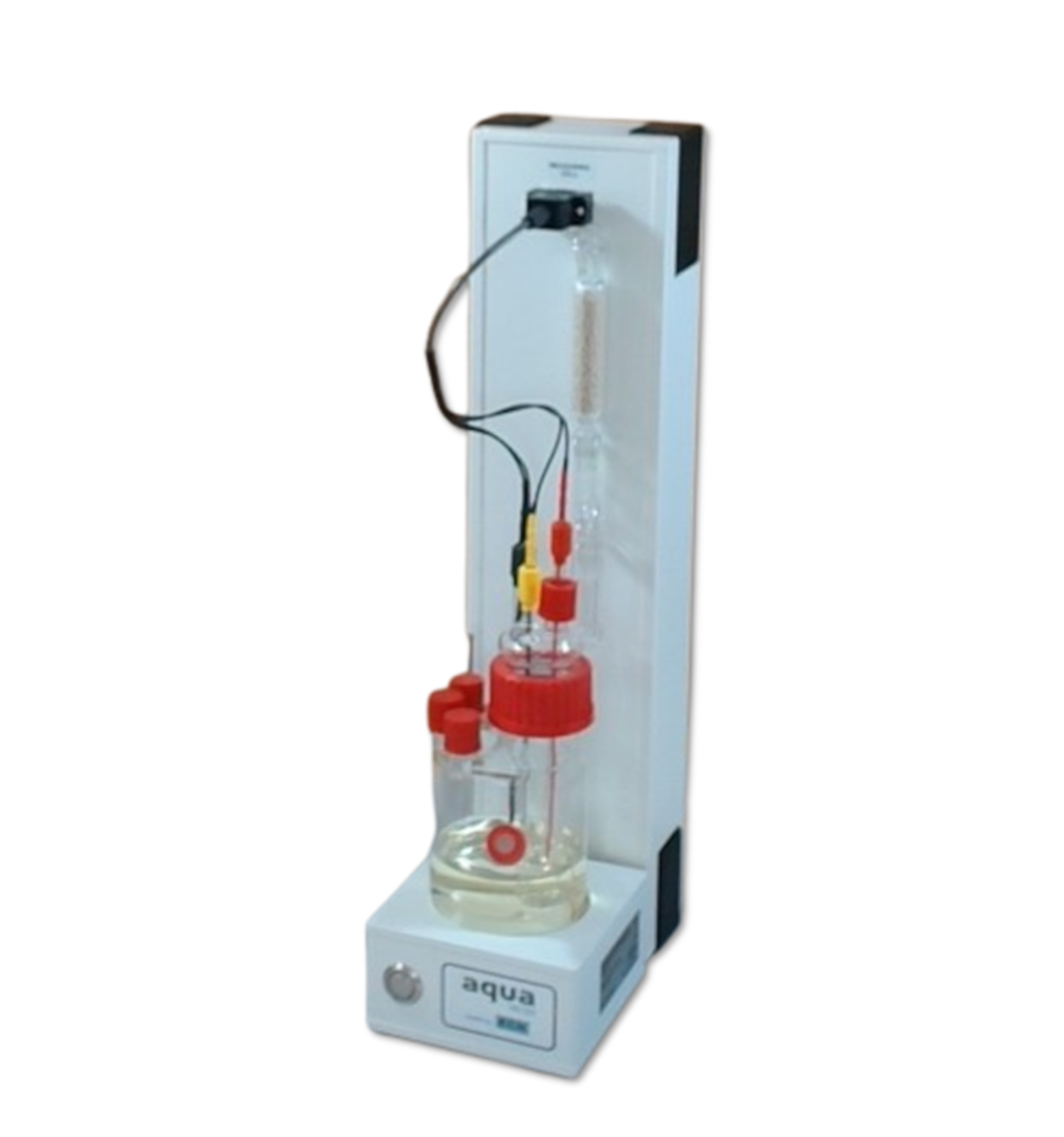
Both coulometric (for low water concentrations) and volumetric (for higher water levels) titration techniques are applied depending on the oil type and required detection range.
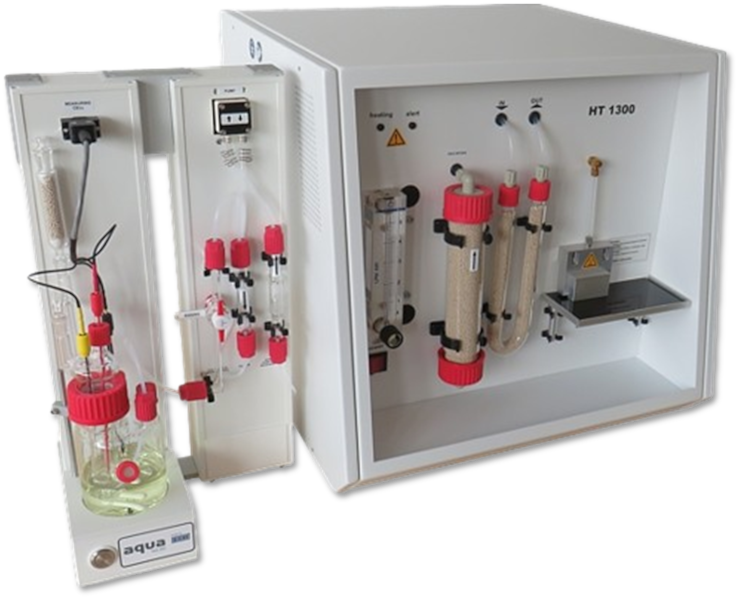
For viscous or contaminated oil samples, thermal extraction combined with coulometric detection ensures that all water is released and accurately quantified.
These methods comply with international standards such as ASTM D1533 (water in insulating liquids) and IEC 60814.
System Overview:
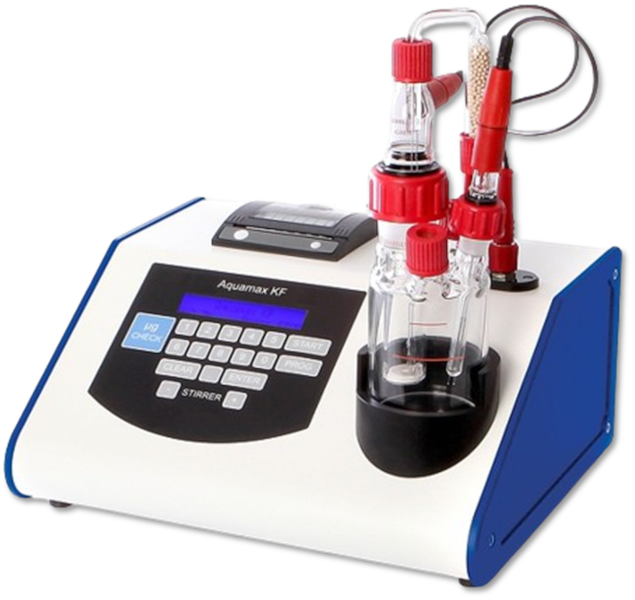
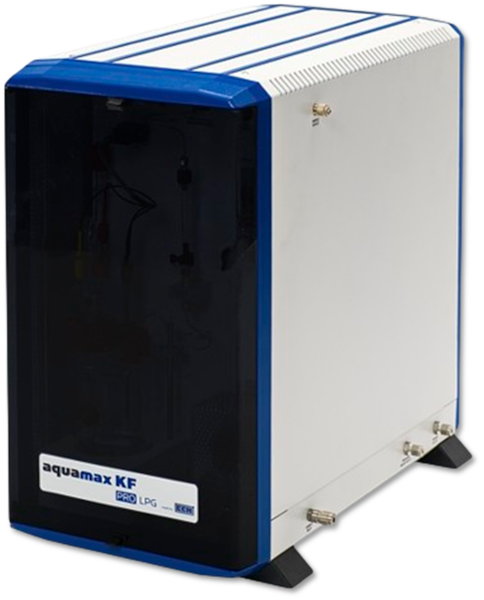
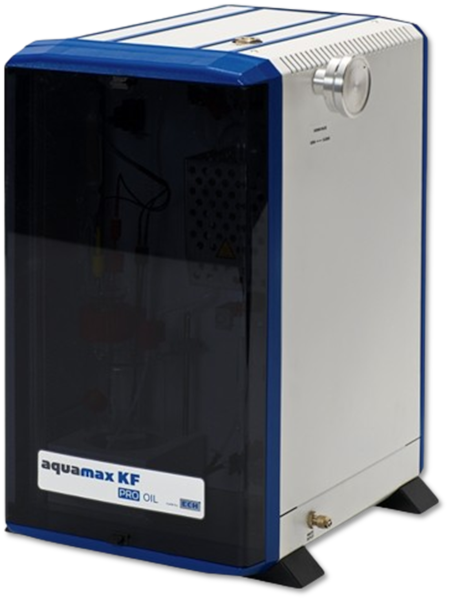
Modern oil water content analyzers offer:
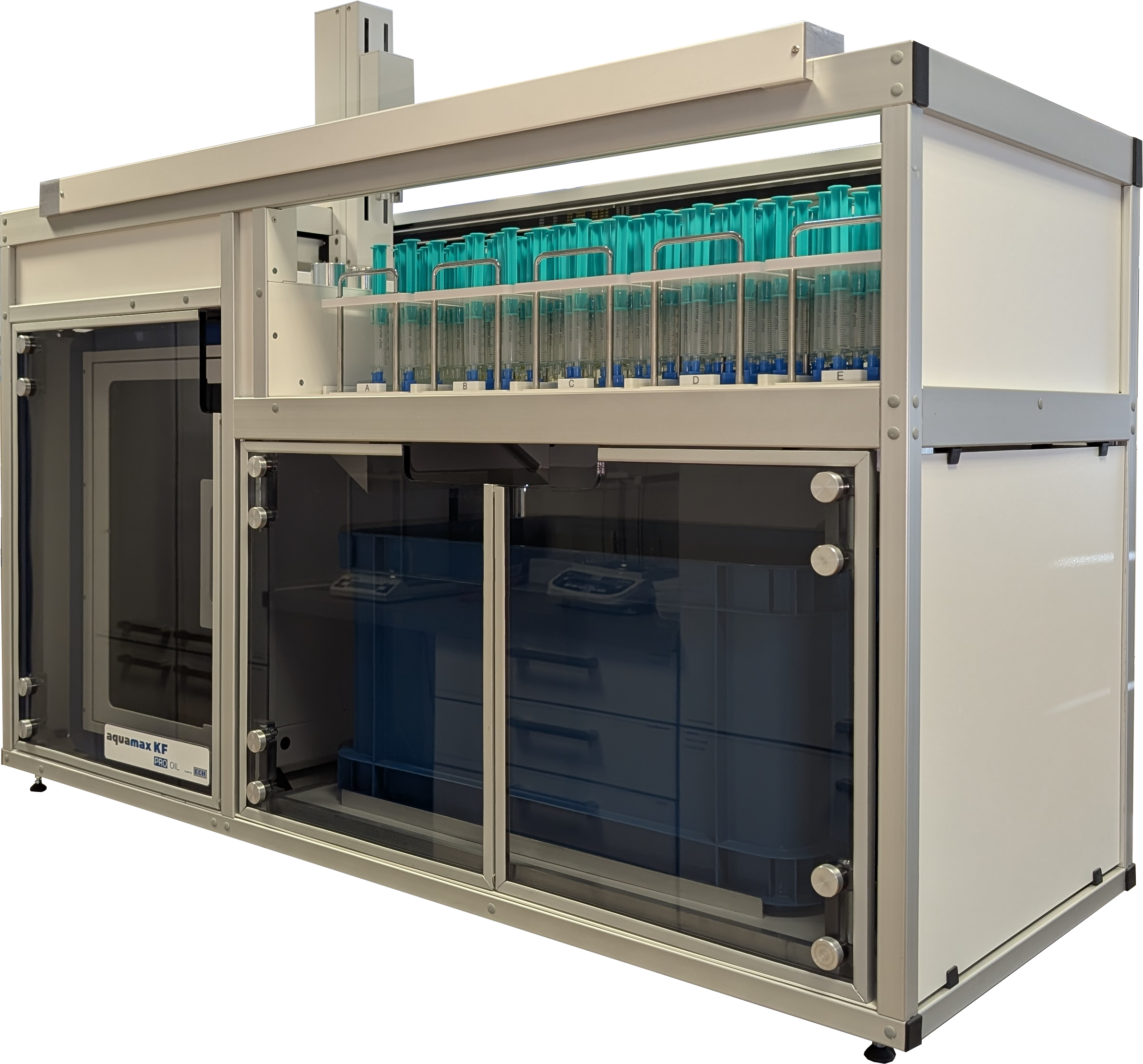
Automated sample handling for improved reproducibility
High sensitivity, detecting water contents down to 0.1 ppm
Built-in evaporation units for thermal extraction of bound moisture
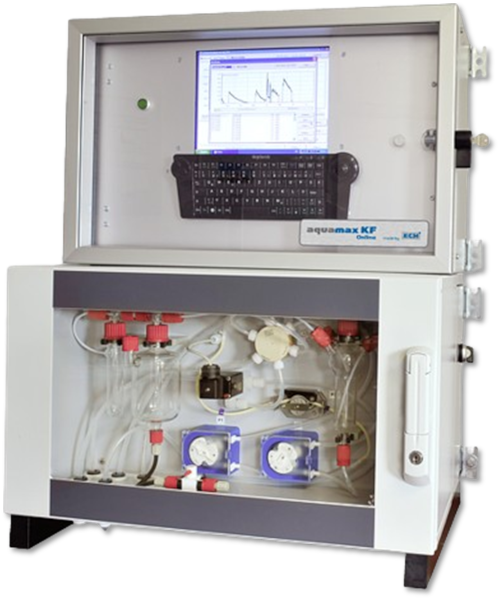
User-friendly software with comprehensive reporting and trend analysis
Applications:
Key application areas include:
Monitoring of transformer oils in power grids and substations
Quality control of lubricants in manufacturing and automotive sectors
Moisture testing in turbine and hydraulic oils
Research on aging behavior of insulating fluids
Continuous monitoring of water content supports predictive maintenance strategies and reduces the risk of sudden equipment failures.
Conclusion:
Reliable determination of water content in oils is critical for ensuring the efficiency, reliability, and longevity of industrial and electrical systems. State-of-the-art water analysis systems offer fast, accurate, and standard-compliant results, forming the foundation for proactive maintenance and quality assurance.